
How to Buy Affordable Cabinets Without Sacrificing Quality
When people say “cheap cabinets,” they usually mean one of two things:
- Affordable cabinets: Cabinets cost less because of how they’re sold or delivered (online pricing, fewer middlemen, DIY assembly).
- Low-quality cabinets: Cabinets cost less because of what was cut (weaker materials, lower-grade hardware, poor construction, thin finishes).
The goal isn’t to buy the cheapest cabinets you can find. The goal is to buy affordable cabinets that still hold up—doors that stay aligned, drawers that glide smoothly, and finishes that resist everyday kitchen wear.
“Cheap Price” vs. “Cheap Build”: A Quick Comparison
Here’s the fastest way to separate a good deal from a cabinet you’ll regret:
“Cheap Price” vs. “Cheap Build”: A Quick Comparison
Here’s the fastest way to separate a good deal from a cabinet you’ll regret:
“Cheap Price” vs. “Cheap Build”: A Quick Comparison
Here’s the fastest way to separate a good deal from a cabinet you’ll regret:
| If the price is lower because… | That’s usually… | What to confirm |
| You assemble it yourself | Affordable | Clear instructions, pre-drilled holes, solid joinery |
| It’s sold online (less showroom overhead) | Affordable | Transparent specs, samples, strong warranty |
| It’s mass-produced efficiently | Affordable | Consistent construction + finish quality |
| The box material is weak | Risky | Box thickness, moisture resistance, shelf strength |
| The hardware is low-grade | Risky | Soft-close hinges, full-extension slides, adjustability |
| The finish is thin/fragile | Risky | Durable finish, easy-clean surface, warranty coverage |
Why RTA Cabinets Can Cost Less (Without Being Low Quality)
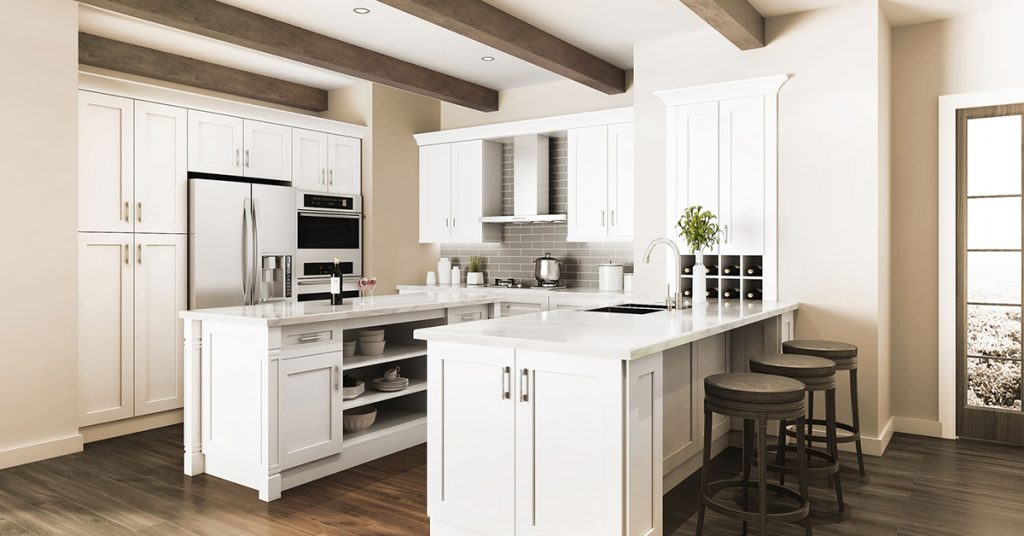
Ready-to-assemble (RTA) cabinets often cost less because they skip some of the traditional markups and labor costs found in many showroom and custom cabinet models. That lower price doesn’t automatically mean the cabinets are poorly made.
DIY Assembly (You Don’t Pay for Factory Assembly)
A large part of cabinet cost can come from labor—either assembling cabinets at the factory or paying for assembly through a retailer. With RTA cabinets, you’re trading some of that labor cost for your time.
What to look for: sturdy joinery, accurate cuts, clear instructions, and components that align cleanly.
Online Sales (Less Overhead, More Selection)
Online cabinet shopping can be more affordable because the business model is different—often fewer showrooms, fewer layers between factory and homeowner, and more inventory options to compare.
What to look for: detailed specs, close-up photos, customer support, and the ability to order samples.
Price Matching (Competitive Pricing)
If a retailer offers price matching or a lowest price guarantee, it can help you shop confidently while still hunting for a strong deal—especially when you can compare truly similar cabinet lines.
What to look for: clear requirements for “comparable products” and an easy submission process.
Factory Manufacturing (Consistency + Efficiency)
Custom cabinetmakers deliver craftsmanship and customization—but that level of hands-on work can come at a premium. Factory manufacturing can reduce cost through efficiency and consistency, while still offering excellent materials and features (depending on the cabinet line).
Bottom line: manufacturing method alone doesn’t determine quality—specs do.
The 5-Minute Test: How to Spot Low-Quality “Cheap” Cabinets Fast
If you’re shopping online, you can still make a smart choice. Use this quick checklist to spot red flags before you buy.
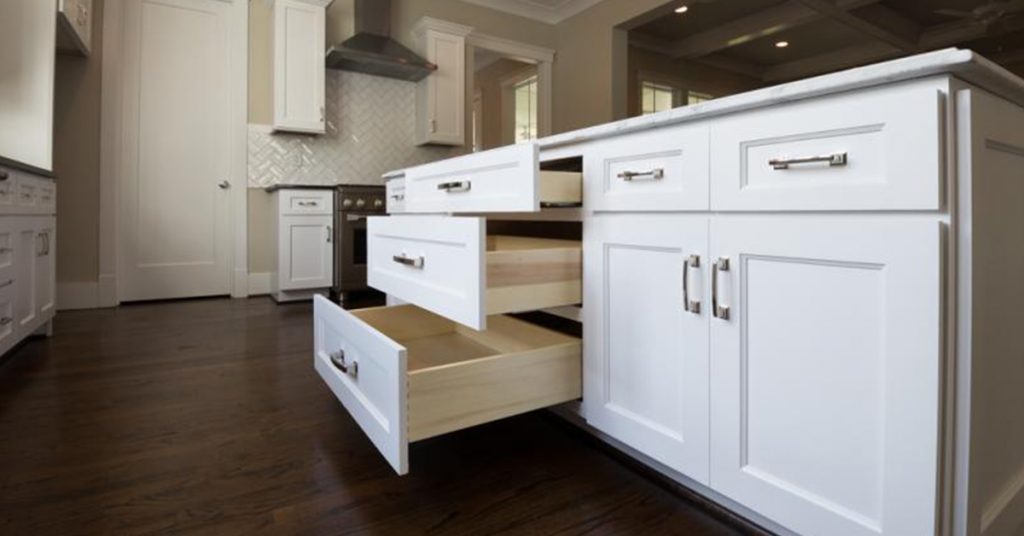
1) Check the cabinet box material (and where it matters most)
- Great sign: plywood cabinet boxes (especially for durability and moisture resistance)
- Proceed with caution: particle board in wet zones (sink base) without strong protection
- Good to know: MDF/HDF can be totally normal for paint-grade door styles, but many shoppers prefer plywood for the box.
2) Look for drawer construction you can trust
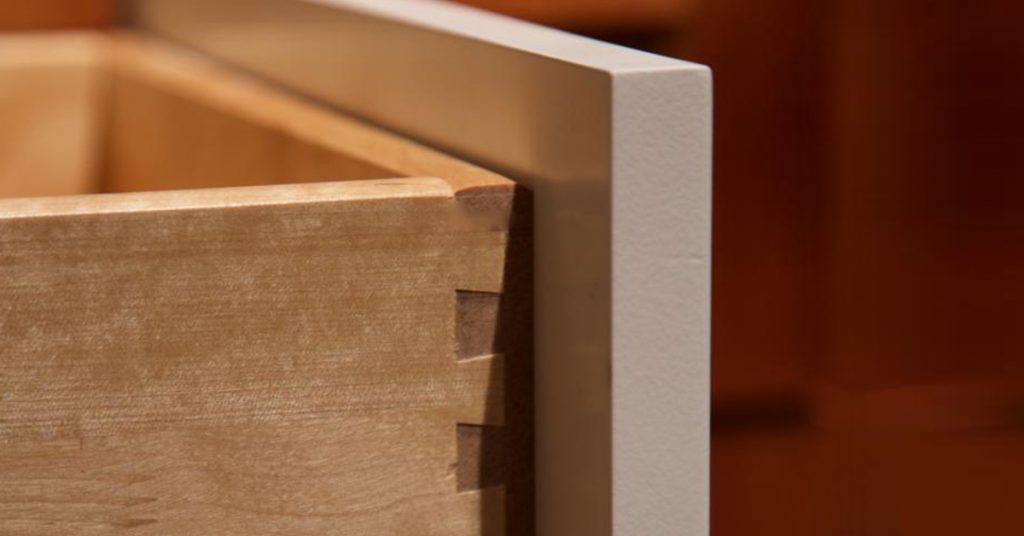
- Best signs: dovetail or strong locking joinery, solid drawer boxes, smooth hardware
- Red flags: flimsy drawer bottoms, weak stapling, wobble in slides
3) Confirm hardware quality (this impacts daily experience)
- Look for: soft-close hinges and full-extension drawer slides
- Bonus: adjustable hinges/slides (makes alignment easier over time)
4) Evaluate the finish (this impacts durability + cleaning)
A kitchen finish should resist:
- everyday wiping/cleaning
- humidity and temperature swings
- small impacts and scuffs
Red flags: vague finish descriptions, no warranty clarity, limited details on coating type.
5) Read the warranty like a buyer, not a marketer
A warranty doesn’t need to be complicated, but it should be clear about:
- what’s covered (finish, hardware, box integrity)
- how long coverage lasts
- the claim process
What to Look For in Quality Affordable Cabinets
Use this checklist when you compare cabinet lines:
- Soft-close doors
- Full-extension drawers
- Durable cabinet box construction (many buyers prefer plywood boxes)
- Hardwood or durable paint-grade doors (depending on the style/finish)
- Dovetail or strong locking drawer construction
- Fully finished cabinet interiors (or sealed surfaces that clean easily)
- A clear, written warranty
- Accessories and upgrades available (pullouts, organizers, molding)
- Semi-custom options (sizes/modifications)
- Samples available (door sample or finish sample)
Tip: If you can’t easily find these specs on the product page, that’s a signal to slow down and ask questions.
Who Should Buy RTA Cabinets?
RTA cabinets are a great fit if you:
- want to save money without gambling on quality
- are comfortable with basic tools (or have a handy helper)
- want more style/finish options than a small in-store display
- prefer comparing specs carefully before buying
If you need a faster timeline or don’t want to assemble anything, you may prefer pre-assembled options—but RTA can still be the best value if you’re willing to trade time for savings.
FAQs About Cheap Kitchen Cabinets
Are cheap cabinets always low quality?
No. “Cheap” can mean lower price because of the sales model (online, fewer middlemen, DIY assembly). The key is verifying materials, construction, hardware, and warranty.
What matters most for cabinet durability?
Cabinet box construction, drawer build quality, hardware (hinges/slides), and finish durability are the biggest drivers of long-term performance.
Is plywood always better than particle board?
Plywood is a popular choice for strength and moisture resistance, especially for cabinet boxes. Particle board can perform well in some applications when engineered well and properly sealed—but many buyers prefer plywood in high-wear areas.
What should I prioritize if I’m on a tight budget?
Prioritize cabinet box strength, reliable hardware, and a durable finish. You can often save money by choosing a simpler door style and skipping upgrades until later.
Should I order cabinet samples?
Yes—especially when buying online. A sample helps you check color, sheen, and finish durability in your home lighting.
What’s the biggest mistake people make when buying “cheap” cabinets online?
Comparing price without comparing specs. Two cabinets can look similar but perform very differently depending on box material, joinery, hardware, and finish.